
Gender Profile Logo
EU Logo Government of Montenegro Logo UNDP Logo
Gender Profile Logo
EU Logo Government of Montenegro Logo UNDP Logo
Gender Profile Logo

GENDER PROFILE MONTENEGRO

International Framework for Gender Equality

Gender Equality Panel

Key International Documents and Initiatives

CEDAW – A Key International Framework for the Protection and Advancement of Women’s Rights
Cedaw

The Convention on the Elimination of All Forms of Discrimination against Women (CEDAW), adopted by the United Nations General Assembly in 1979, is one of the most important international instruments for achieving gender equality. It entered into force on 3 September 1981, and Montenegro is among 189 countries that have ratified it.

CEDAW obliges States Parties to take all appropriate measures to eliminate discrimination and ensure full equality between women and men in all spheres of life. It places particular emphasis on:

  • incorporating the principle of equality between women and men into constitutional and legal frameworks,
  • adopting legislative and other measures to prohibit discrimination and ensure effective legal protection,
  • taking measures in political, social, economic, and cultural life to improve the status of women,
  • adopting temporary special measures to accelerate de facto equality between women and men,
  • ensuring equal participation of women in political and public life, including the right to vote, to stand for election, to hold public office, and to participate in policy-making.

Montenegro has so far submitted three national reports on the implementation of CEDAW.

Beijing Declaration and Platform for Action

Peking

The Beijing Declaration and Platform for Action, adopted at the Fourth World Conference on Women in 1995, represents a turning point in the global movement for gender equality. It set ambitious goals across multiple areas, including poverty, education and the empowerment of women, health, combating violence against women, women and armed conflict, the economy, women’s participation in decision-making, institutional mechanisms for the advancement of women, human rights of women, media, the environment, and the situation of the girl child.

Montenegro has identified eight priority thematic areas for action:

  • Promotion of women’s human rights and gender equality
  • Gender-sensitive education and upbringing
  • Economic equality
  • Gender-sensitive healthcare
  • Combating gender-based violence
  • Gender equality in media, culture, and sports
  • Equal participation in political and public decision-making
  • Institutional mechanisms for gender equality and international cooperation

Montenegro’s 2019 report highlighted progress in the legislative and institutional framework, while pointing out persistent challenges — especially in education, violence prevention, healthcare, and women’s entrepreneurship.

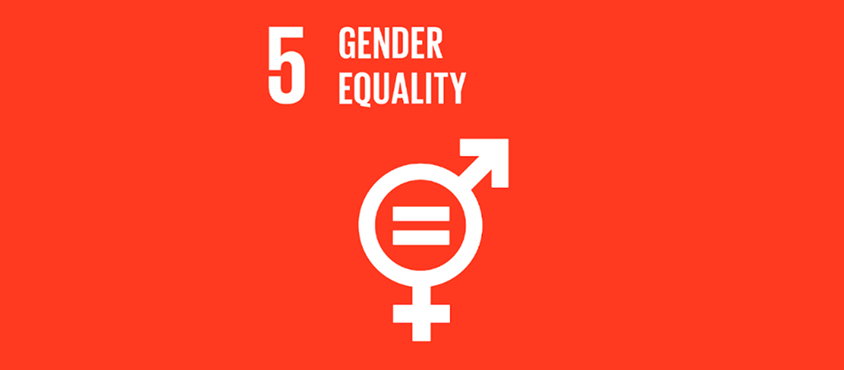
Sustainable Development Goal 5 – Gender Equality

Gender equality

Sustainable Development Goal 5 (SDG 5) promotes gender equality as both a fundamental human right and a driver of sustainable development. It calls for the elimination of all forms of discrimination and violence against women and girls and the creation of conditions for their full and equal participation in all areas of society.

  • Promotion of women’s human rights and gender equality
  • Gender-sensitive education and upbringing
  • Economic equality

Achieving SDG 5 is essential for unlocking the full potential of women and girls and contributes to economic growth, social stability, and environmental sustainability.

UNDP and Gender Equality

Global Level

UNDP is one of the leading global actors in promoting gender equality and women’s empowerment. Through its Gender Equality Strategy 2022–2025 , UNDP integrates gender perspectives across all programmes and policies — from climate change and energy to governance, participation, and economic development.

The key focus is on removing gender barriers, promoting equal participation, and ensuring that women and girls have equal opportunities to exercise their rights.

National Level – UNDP Montenegro

At the national level, UNDP Montenegro develops and implements initiatives that directly support gender equality and alignment with EU standards. The work focuses on systemic change, strengthening institutional capacities, and empowering women in various areas of social and economic life.

Key areas of work include:

  • Women’s political participation and greater representation in decision-making through legislative reforms, support to women’s networks, capacity development of political actors, and the promotion of women’s leadership,
  • Prevention and protection from gender-based violence through improved institutional mechanisms, service availability, multisectoral cooperation, and community awareness-raising,
  • Economic empowerment of women through entrepreneurship support, skills development, and improved access to finance and markets,
  • Strengthening the capacities of public administration for gender mainstreaming through training and hands-on support in gender-responsive lawmaking, strategic planning, and internal procedures,
  • Enhancing the collection, exchange, and use of sex-disaggregated data through digital tools and institutional capacity-building, including the development and maintenance of the Montenegro Gender Equality Profile,
  • Building strategic partnerships between government institutions, local authorities, the EU, international organizations, civil society, and women’s networks to ensure coordinated and sustainable action.

Some of the key results include:

  • strengthened women’s political participation through the introduction of 40% quotas for the underrepresented gender on electoral lists and support to women’s networks that advocate for gender-responsive policies,
  • increased reporting of gender-based violence and improved multisectoral cooperation through capacity development and clearer institutional procedures,
  • empowerment of hundreds of women through training, mentoring, and entrepreneurship support,
  • strengthened gender mainstreaming in public administration through training and the development of monitoring tools and practices,
  • improved availability and interoperability of sex-disaggregated data through digital platforms and analytical tools,
  • institutional capacity-building through international standards and certification processes promoting gender-responsive governance.

Regional Level – Istanbul Regional Hub

At the level of Europe and Central Asia, UNDP’s Istanbul Regional Hub provides expertise and support to countries across the region in advancing gender equality and implementing international standards. Its focus includes:

  • strengthening institutional mechanisms for gender equality,
  • developing and applying gender-responsive budgeting,
  • preventing and combating gender-based violence,
  • monitoring progress towards SDG 5,

Istanbul Convention – Combating Gender-Based Violence

Eu

Montenegro was among the first countries to sign the Council of Europe Convention on Preventing and Combating Violence against Women and Domestic Violence (Istanbul Convention) and ratified it in 2013. This comprehensive international legal instrument represents a key framework for protecting women’s human rights and combating gender-based and domestic violence. The Convention defines violence against women as a violation of human rights and a form of discrimination. It obliges States Parties to establish appropriate laws, policies, and services to prevent violence, protect victims, and prosecute perpetrators. The Convention requires the criminalization of various forms of violence, including psychological and physical violence, stalking, sexual violence and rape, forced abortion, and forced sterilization.

Its implementation is monitored by an independent body — the Group of Experts on Action against Violence against Women and Domestic Violence (GREVIO) — which regularly assesses how national laws and policies ensure protection and access to justice for women victims of violence in line with the Convention’s standards.

During its first thematic evaluation visit to Montenegro in 2024, GREVIO recognized significant steps taken by the state to further align the legislative and strategic framework with the Convention’s requirements, while also highlighting the need for additional efforts, particularly in overcoming patriarchal attitudes and strengthening institutional mechanisms for the protection of women.

In 2023, the European Union also acceded to the Istanbul Convention, further strengthening the European framework for combating gender-based violence. In this way, Montenegro’s experience and obligations become part of a broader European policy and the EU accession process.