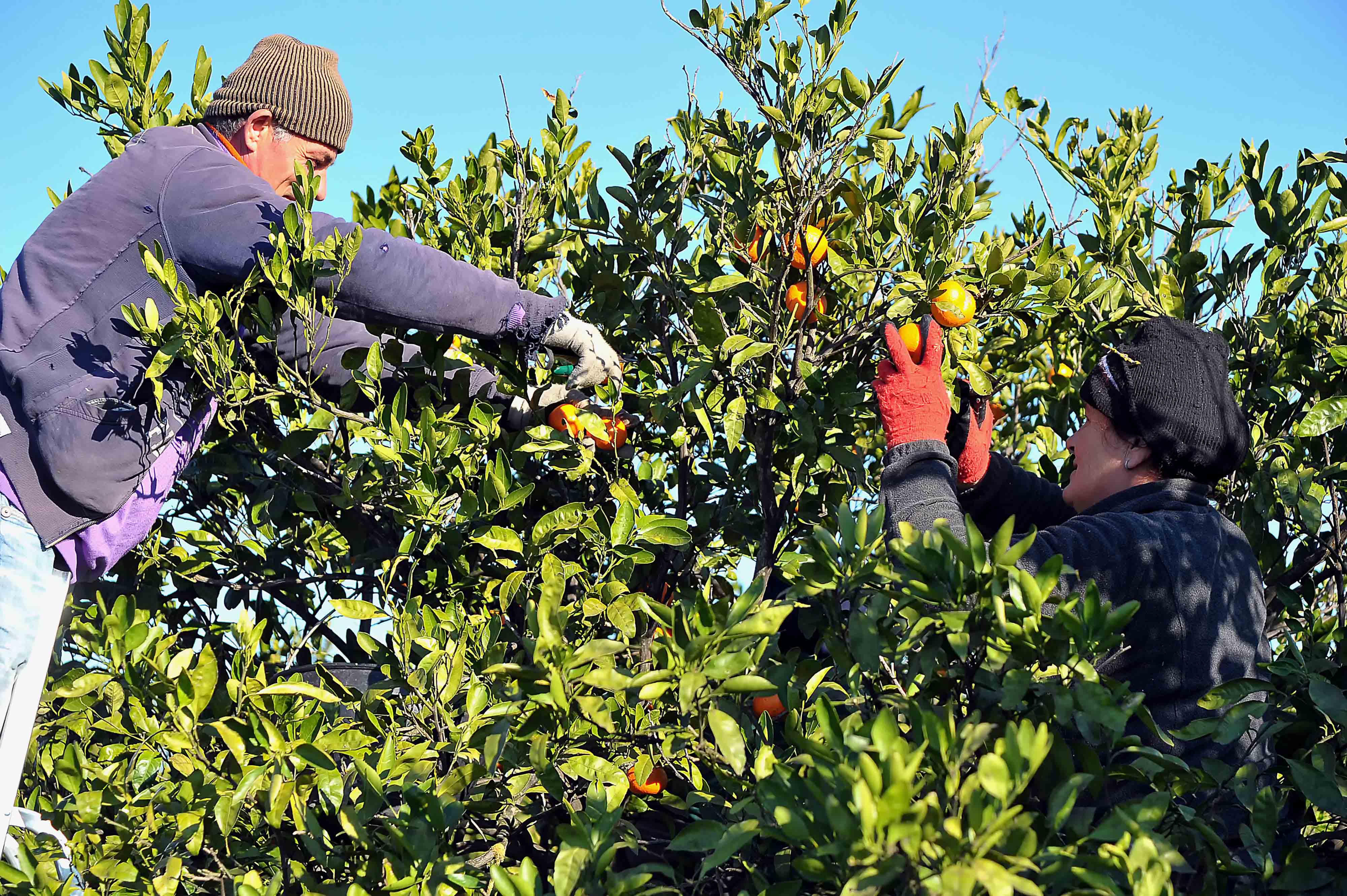
Gender equality in agriculture ensures that both women and men have equal access to land,
resources, and opportunities, which makes entire communities benefit. Closing the gender gap in
rural areas is a powerful strategy for economic growth, environmental sustainability, and national
resilience.
The Gender Gap in Data, Ownership, and Leadership
Women from rural areas of Montenegro remain underrepresented in key fields. According to preliminary data from
the 2024 Agricultural Census:
12.9% of women
are listed as primary holders or managers of agricultural households.
Women make up 24%
of insured individuals in the national farmer registry—an improvement from 14% in 2021, but still low.
Gender norms
and traditional inheritance patterns prevent many women from owning land or equipment.
Women in the north
of Montenegro are seven times less likely to be employed than women in the south.
50% of unemployed
women in rural areas have never actively sought work, citing unpaid domestic responsibilities as a major barrier.
Women in rural areas are more likely to engage in unpaid domestic and agricultural labor,
spending an average of ten years of their lives doing this work without formal recognition or
compensation.
Limited Representation in Policy and Governance
While women’s representation in the Parliamentary Committee on Tourism, Agriculture,
Ecology, and Spatial Planning has improved (from 23.1% in 2021 to 30.7% in 2024), they are
still largely absent from local decision-making bodies that shape agricultural policy. This limits
women’s influence over funding, land reform, and community development programs.
Moreover, there is a lack of comprehensive gender-disaggregated data in agriculture. The
ongoing Agricultural Census aims to fill this gap by collecting data on land ownership,
production roles, equipment, and gender dynamics. These insights will be critical for shaping
more inclusive policies in the coming years.
Support and Initiatives on the Ground
The UNDP
Empower Her project
is working to improve the current situation by providing
training, tools, and support networks for women in Berane, Bijelo Polje, and Plav. These
initiative aims to strengthen women’s roles in agriculture while fostering long-term rural
development. By focusing not only on economic empowerment but also on leadership
development and confidence-building, the project supports women in becoming active
participants in community decision-making processes. This dual approach, economic and civic,
strengthens women’s voices in rural development and contributes to more resilient and equitable
communities.